
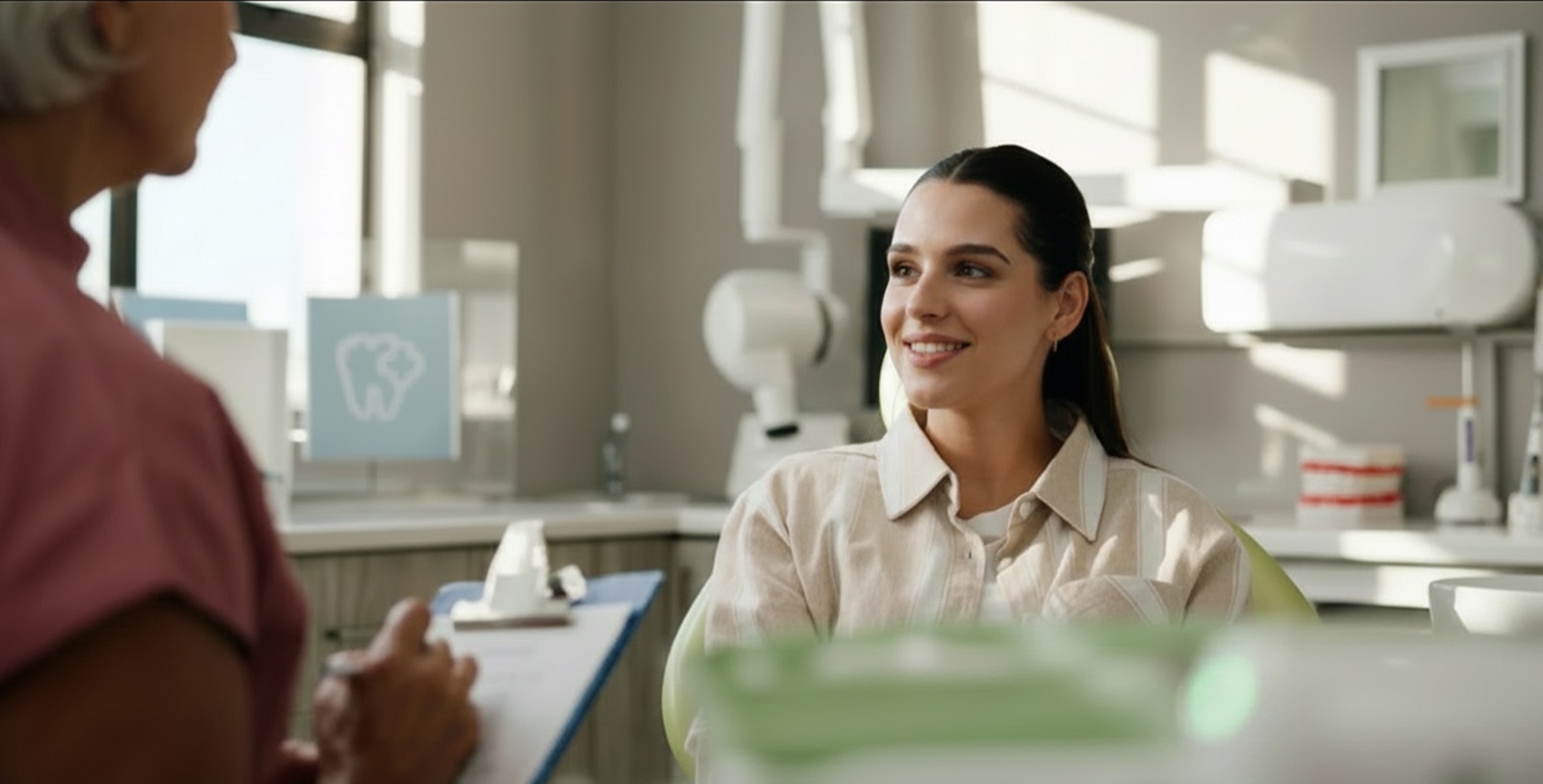
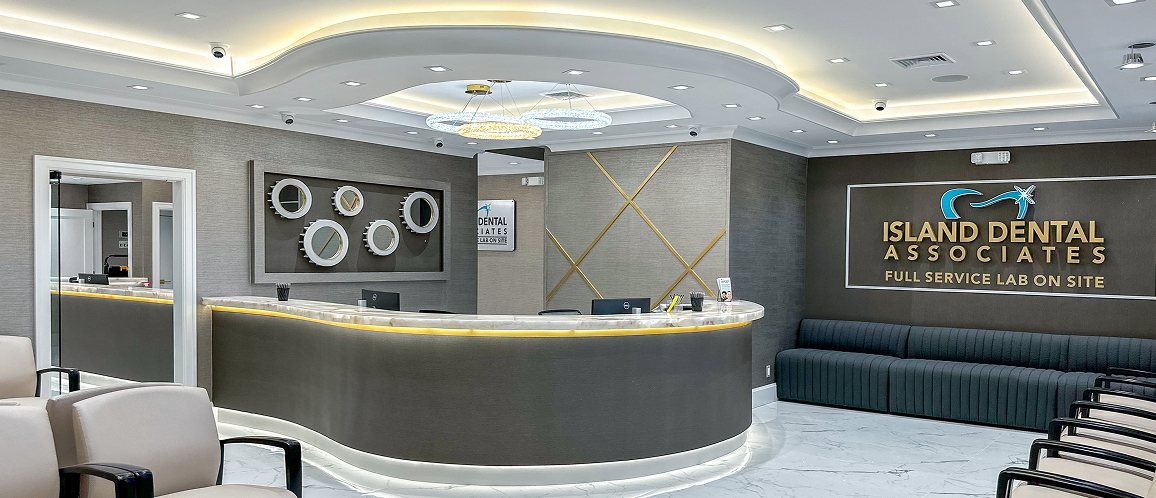
Replace One Missing Tooth — Without Relying on the Teeth Next to It.
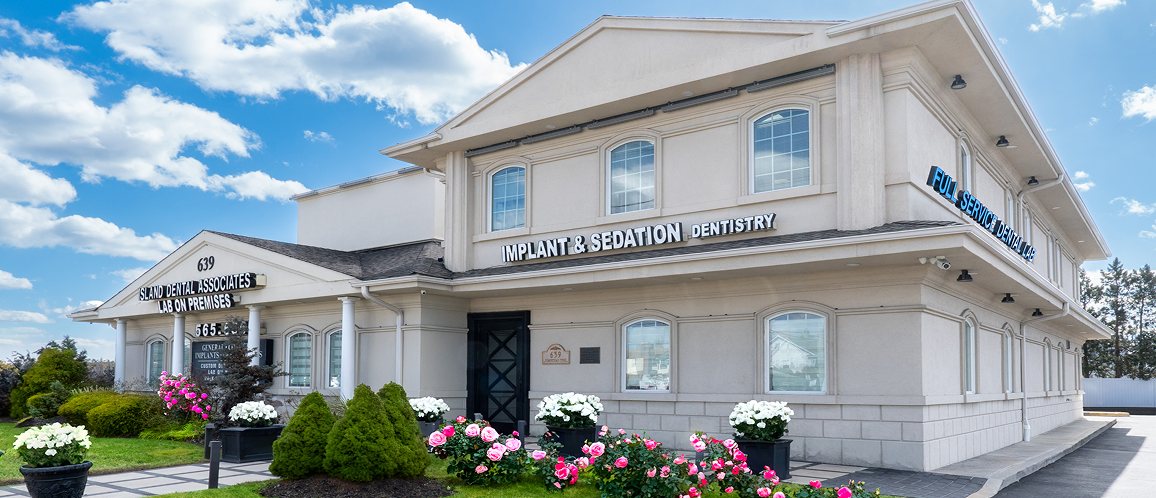
A single dental implant replaces the missing tooth from the root up. At Island Dental, your 3D planning, implant procedure, digital scan and custom implant crown can be coordinated under one roof.
Free Consultation + 3D CT · Implant Specialists · On-Site Digital Lab · Financing Options

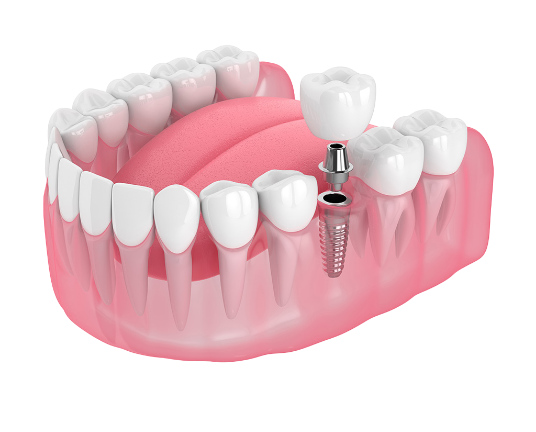
A Complete Tooth Replacement — Root, Support and Crown
A single tooth implant uses a titanium implant placed in the jawbone to support a custom crown. Unlike a traditional bridge, it does not require the neighboring teeth to be prepared simply to support the missing tooth replacement.
- Independent tooth replacement
- Custom implant crown
- Helps preserve surrounding tooth structure
- Designed to restore chewing and appearance
- 3D CT planning
- Long-term restorative option
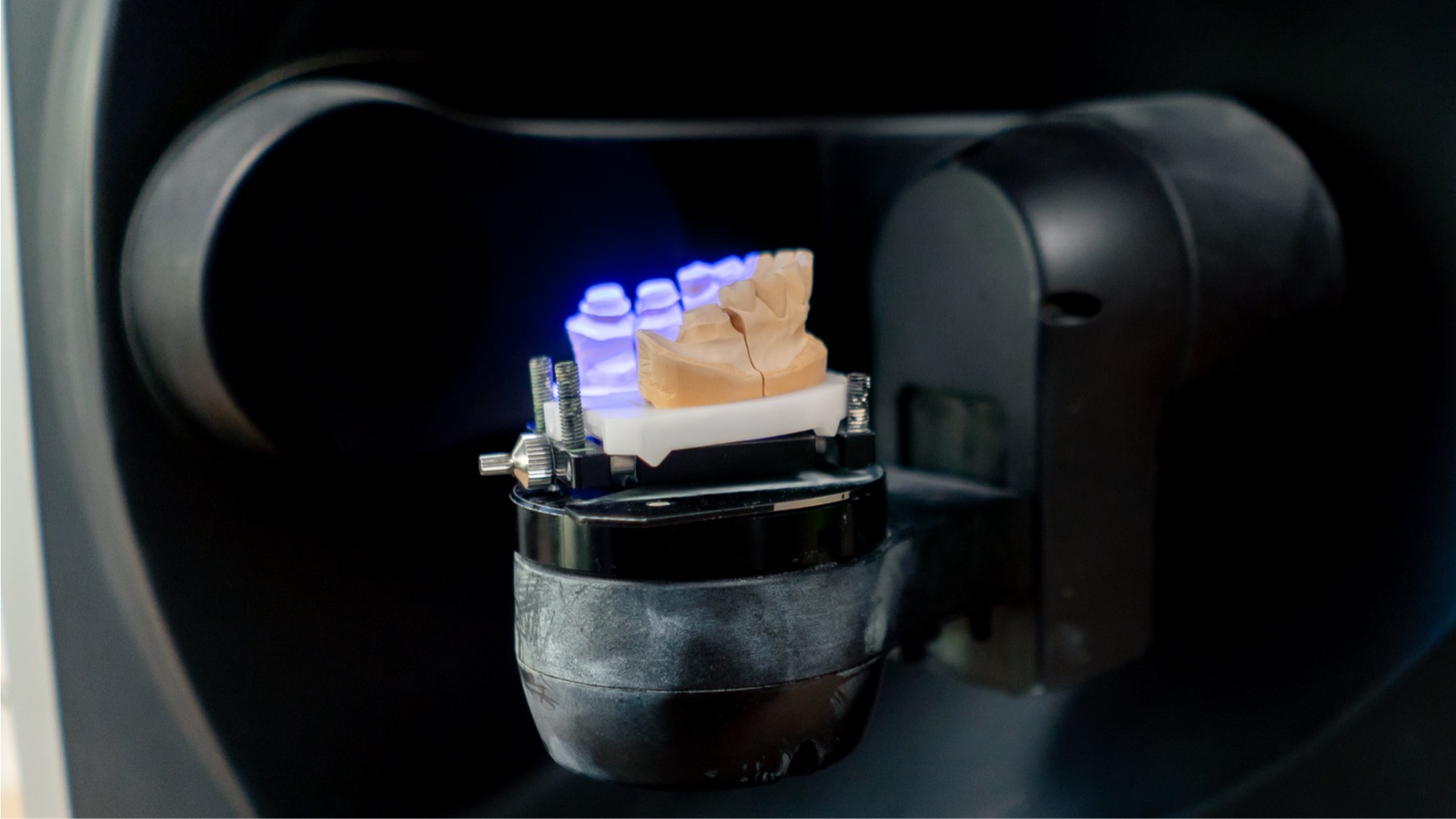
Your Implant Crown Is Designed With the Rest of Your Smile in Mind.
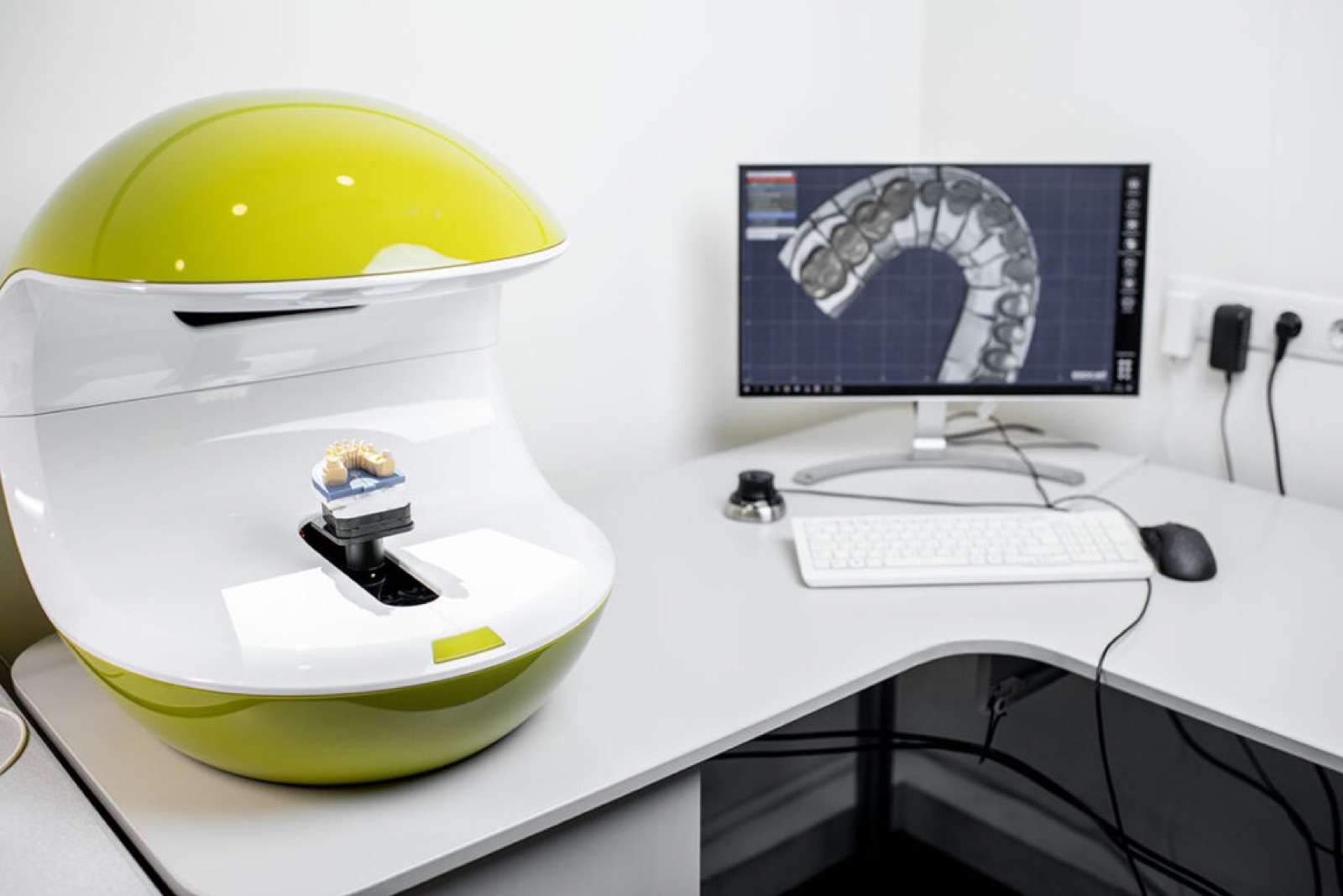
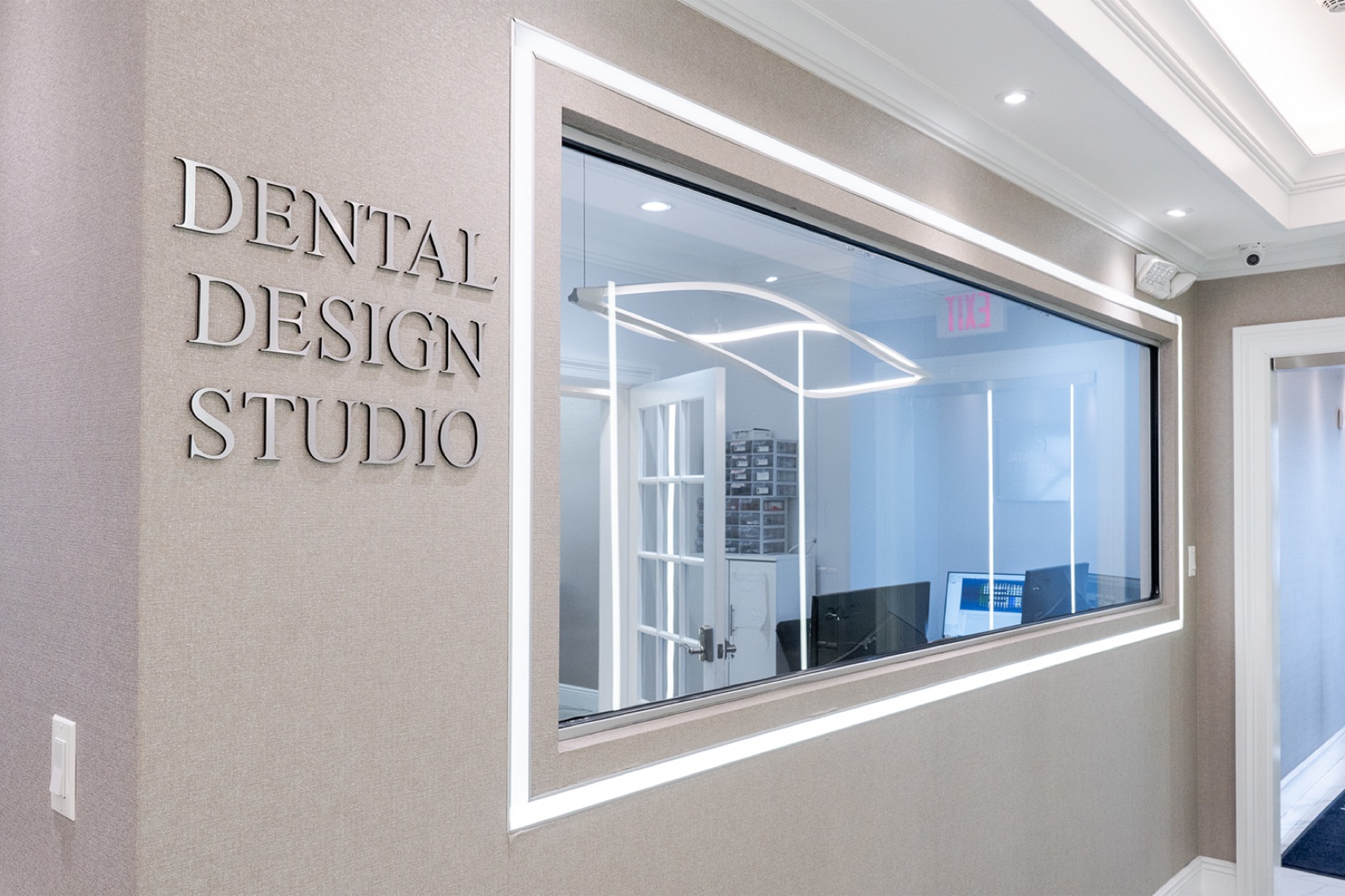
Once the implant is ready to be restored, we digitally scan the area and coordinate your crown with our on-site digital lab. The dentist and lab technician can review shape, bite, contacts and shade together instead of sending the entire case back and forth between unrelated offices.
- Digital scan
- CAD design
- Zirconia / ceramic options
- Shade coordination
- Doctor-to-technician communication
- On-site adjustments when needed
Your Single-Tooth Implant, Step by Step
The exact sequence depends on the condition of the missing-tooth site, whether the tooth still needs to be removed, available bone and how the implant heals.
Consultation + 3D CT
We evaluate the missing-tooth area, your bite, neighboring teeth and available bone, then review your treatment options.
Implant Procedure
The implant is placed in the planned position. Bone grafting or socket preservation may be recommended in selected cases.
Healing
The implant is given time to integrate with the surrounding bone. Healing time varies by patient and procedure.
Digital Scan + Crown
Once the implant is ready to restore, we scan the area and create the custom implant crown to fit your bite and smile.
Two Common Ways to Replace One Missing Tooth
Both options can replace a missing tooth. The best choice depends on the condition of the neighboring teeth, available bone, bite, esthetic goals, medical history and budget.
| Consideration | Single Dental Implant | Traditional Bridge |
|---|---|---|
| Support | Supported by its own implant | Supported by neighboring teeth |
| Adjacent teeth | Usually does not require preparation of healthy neighboring teeth | Neighboring teeth are typically prepared for crowns |
| Jawbone | Implant provides stimulation in the missing-tooth area | No implant is placed in the missing-tooth site |
| Cleaning | Cleaned around the implant crown | Requires cleaning under the connected bridge |
| Treatment time | Usually includes a healing phase | Can often be completed without implant-healing time |
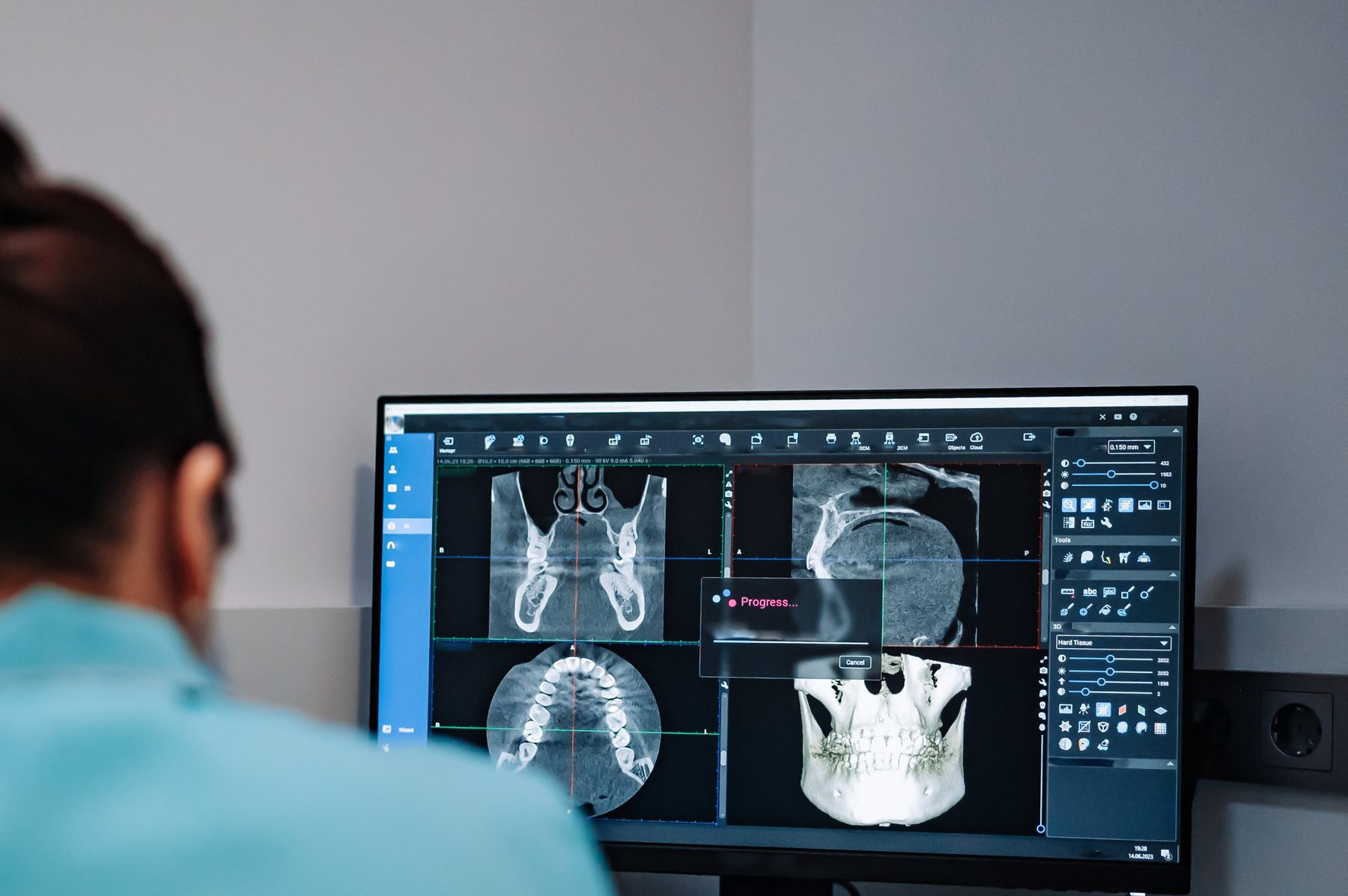
See the Bone Before Planning the Implant.
Your complimentary implant consultation includes a 3D CT scan when clinically appropriate. The scan helps us evaluate available bone, nearby roots, nerves, sinus anatomy and the position of the missing-tooth site.
- Bone volume
- Root position
- Nerve location
- Sinus anatomy
- Implant position
- Grafting needs
Need an Extraction First? We Can Coordinate the Entire Plan.
If the tooth is fractured, infected or cannot be predictably restored, we first determine whether it can be saved. If removal is recommended, the extraction, grafting when needed, implant planning and eventual crown can be coordinated within the Island Dental team.
Extraction
Removal of a non-restorable tooth with attention to the future replacement plan.
Bone Preservation
Socket preservation or grafting may be recommended when additional support is needed for future implant treatment.
Implant Timing
In selected cases, an implant may be placed at the time of extraction. In others, healing is recommended first.
One Team From Implant Planning to the Final Crown
Specialists on Staff
Implant care can be coordinated with periodontal, surgical and restorative providers within one practice.
3D CT Imaging
CBCT imaging helps the team evaluate anatomy and plan treatment before the implant procedure.
On-Site Digital Lab
The restorative team and lab technician can coordinate the final implant crown directly.
Complete Restorative Care
If your treatment needs change, bridge, partial denture or other restorative options can also be discussed.
Already Have an Implant Treatment Plan?
Bring your treatment plan, X-rays or records if you have them. We can review the missing-tooth site, explain the options and discuss whether an implant, bridge or another solution may fit your situation.
Not Sure the Plan You Were Given Fits?
We can review the implant position, crown design, timing and cost of an existing treatment plan and explain whether there may be alternative approaches — including cases where an implant was placed elsewhere and still needs the final crown.
Single Tooth Implant FAQs
Most patients say the procedure was more comfortable than they expected. We use local anesthesia and offer sedation options including IV sedation with a board-certified anesthesiologist. Post-procedure soreness is typically managed with over-the-counter pain relievers.
Cost includes the implant post, abutment, and custom crown. We provide a complete cost breakdown at your free consultation. Many insurance plans cover a portion, and we offer 0% financing with CareCredit and many other lenders, subject to credit approval.
From implant placement to final permanent crown, typically 3 months to allow for healing. You have a temporary tooth during this time. With our in-house lab, the final crown is fabricated faster than at practices that outsource.
A bridge requires grinding down two healthy adjacent teeth to support the prosthetic. An implant stands independently, preserving your natural tooth structure. Implants also prevent bone loss and typically last longer than bridges.
With proper care, the titanium implant post can last a lifetime. The porcelain crown may need replacement after 20 years due to normal wear, but the implant itself rarely needs replacing.
No matching questions. Try a different word, or ask us directly.