
Dental Implant FAQs
Got questions about dental implants? Here are the answers patients ask us most. Our friendly team is always happy to help — call (516) 565-6565.
Free consultation · 0% financing · Insurance accepted · Walk-ins welcome
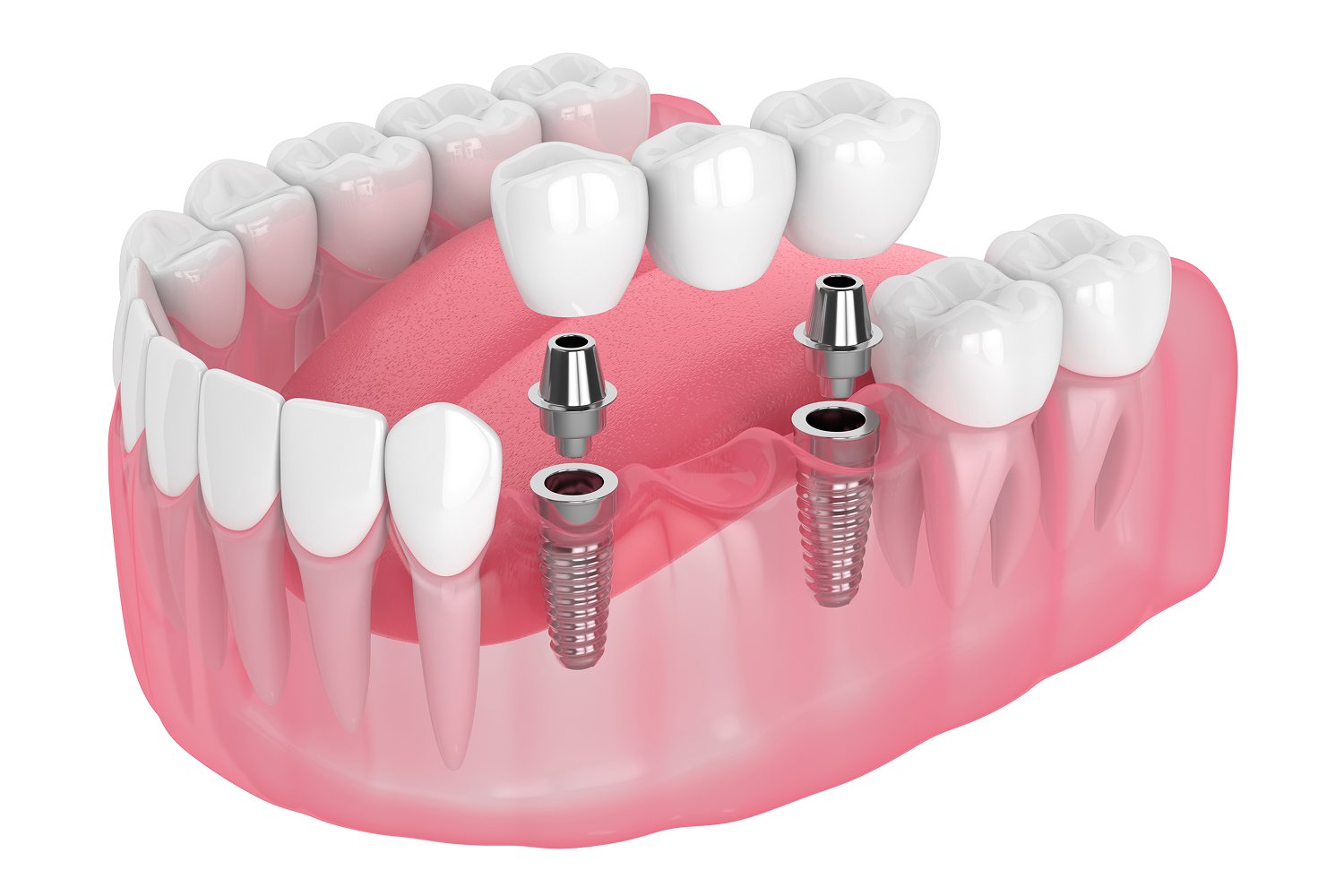
Dental implants are titanium posts placed in the jawbone to act as artificial tooth roots. They provide a strong foundation for fixed or removable replacement teeth that look, feel and function like natural teeth.
Anyone in good overall health with enough bone in the jaw can be a candidate. If you’re missing teeth or want a more permanent solution than dentures, implants may be right for you. Your dentist will evaluate your oral and medical health to confirm.
With proper care and regular check-ups, implants can last a lifetime. The crown may need replacing every 10–15 years from normal wear, but the implant itself is designed to be permanent.
Typically a consultation, implant placement, a healing period while the implant fuses with the bone (osseointegration), and then the crown or prosthetic tooth. The process can take several months depending on your healing and plan. See the implant process.
Most patients report minimal discomfort because local anesthesia is used during surgery, and sedation is available. Any soreness afterward is usually managed with over-the-counter pain relievers.
Much like natural teeth: brush and floss daily and keep up with regular check-ups and cleanings. See our implant maintenance guide.
Yes. Implants can replace a single tooth, several teeth or a full arch, with implant-supported bridges and dentures offering more stability and a more natural feel than traditional dentures.
Cost depends on the number of implants, the type of restoration and any preparatory procedures like bone grafting. See dental implant cost for price ranges and financing.
Implants are more secure, don’t slip or shift, and make chewing and speaking easier. They also help preserve jawbone density, preventing the bone loss that can happen with dentures.
Dental implants have a success rate of over 95% in healthy patients who maintain good oral hygiene and attend regular check-ups.