


Mini Dental Implants for Denture Stability
Help Keep Your Denture More Secure. Mini dental implants can add retention to a removable denture so it moves less during everyday use.
Free 3D CT Evaluation · Implant Specialists · Lab On Site · Denture Stabilization

Mini Dental Implants for Denture Stability
If your denture moves, lifts, or feels loose, mini dental implants may help create a more secure connection between the denture and your jaw. The denture remains removable for cleaning, but it can snap more securely into place.
More Stability
Helps reduce denture movement during speaking and eating.
Removable Denture
Your denture still comes out for cleaning and maintenance.
CT Evaluation
We evaluate your bone and denture to determine whether mini implants are appropriate for you.
A Smaller-Diameter Implant for Specific Situations.
Mini dental implants have a narrower diameter than conventional dental implants. Because they are smaller, they may be useful in certain denture stabilization or for helping stabilize a removable denture. They are not the right solution for every patient, which is why treatment starts with a CT-based evaluation.
Denture Stabilization
Mini implants are commonly used to improve the stability of a loose removable denture, particularly when the lower denture moves during speaking or chewing.
Narrow Spaces
In select areas where space is limited, a smaller-diameter implant may be considered when appropriate for the bite and restoration.
Alternative Implant Planning
For some patients with limited bone, mini implants may be one option to discuss alongside conventional implants, grafting, or other restorative choices.
Help Keep a Loose Denture From Moving.
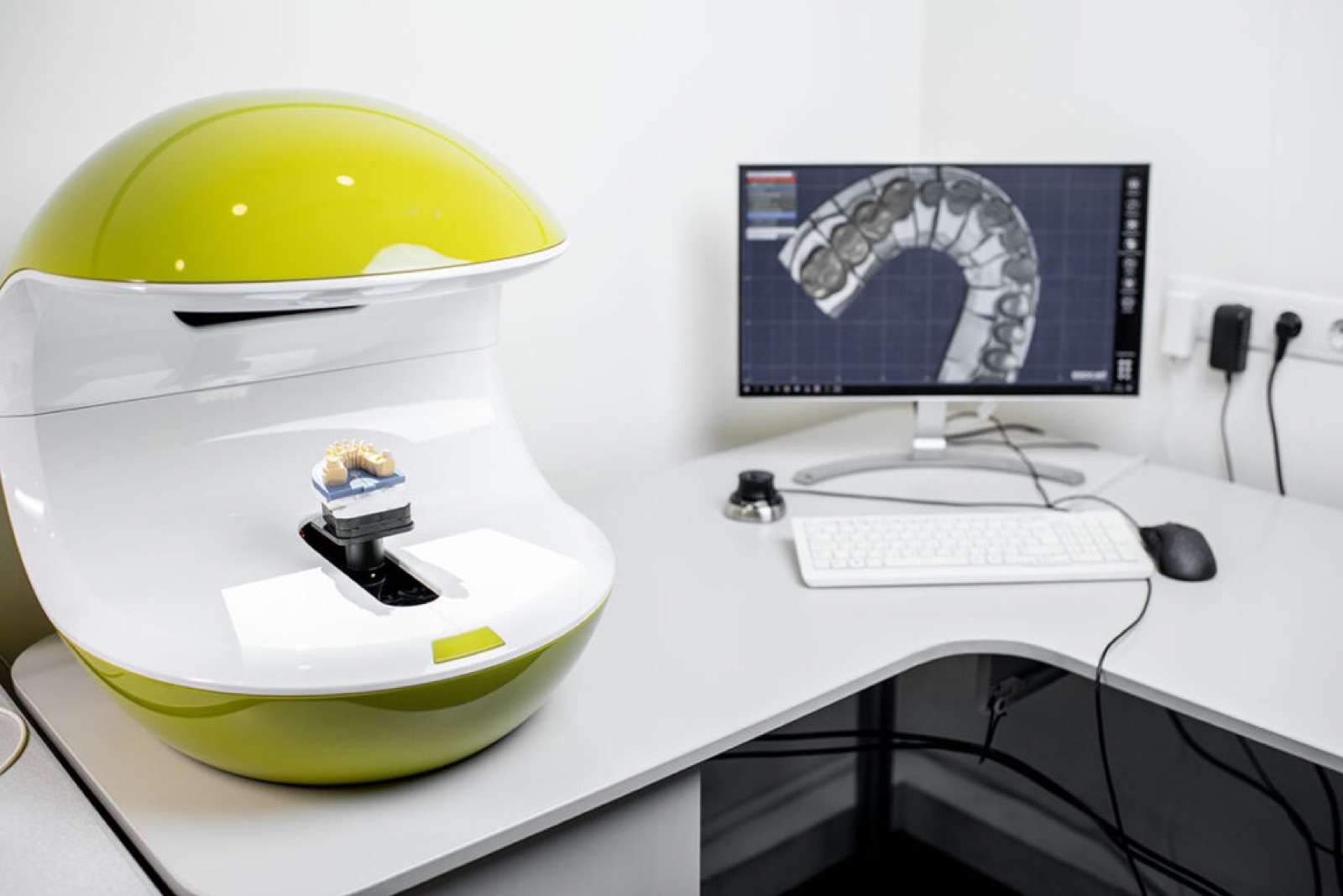
If your denture lifts, rocks, or shifts, mini implants may be used as attachment points to help hold the denture more securely in place. Because our dental lab is on site, the restorative and laboratory teams can coordinate denture modifications directly within the practice.
Before
A removable denture may move during eating or speaking, especially when ridge support has changed over time.
After
Implant attachments can help the denture engage more securely while still allowing the denture to be removed for cleaning.
Your Denture and Implant Team Work Together in One Place.
When mini implants are used for denture stabilization, the implant placement and the denture attachment system need to work together. Our on-site lab allows the doctor and technician to coordinate directly for fit, attachment placement, relines, repairs, and denture adjustments.
Denture Adjustments
Fit and attachment changes can be coordinated directly with the lab team on site.
Repairs & Relines
If the denture also needs repair, reline, or replacement, those services can be evaluated within the same practice.
One Coordinated Plan
Your implant and denture treatment can be planned together rather than split between unrelated offices and laboratories.
Smaller Does Not Automatically Mean Better.
Mini implants and conventional implants serve different purposes. The best choice depends on the amount of available bone, the forces placed on the implant, the number of teeth being replaced, and whether the restoration is removable or fixed.
| Mini Implant | Standard Implant | |
|---|---|---|
| Diameter | Smaller | Larger |
| Common Use | Denture stabilization / select narrow spaces | Single teeth, bridges, dentures, full-arch restorations |
| Bone Requirement | May be considered when less bone width is available | Depends on implant size and site |
| Restoration Type | Often removable denture stabilization | Removable or fixed |
| Best Choice? | Determined after clinical exam and 3D CT evaluation | |
We Compare Your Options Before Recommending an Implant.
Your consultation includes a review of your denture or missing-tooth area, bite, gum condition, available bone, and 3D CT scan. We then explain whether mini implants, conventional implants, a snap-on denture, full-arch treatment, or a non-implant solution may fit your needs.
3D CT Scan
Evaluate bone volume, anatomy, and potential implant positions.
Denture / Bite Review
Determine how your current denture or proposed restoration will function.
Compare Options
Review mini implants, standard implants, grafting, or non-implant alternatives.
Clear Plan
Leave understanding the recommended treatment, expected timeline, and cost.
Mini Dental Implant FAQs
Mini implants are about half the diameter of standard implants. They’re less invasive to place, heal faster, and cost less. However, they bear less load, so they’re best suited for denture stabilization.
Mini implants are generally less expensive than standard implants because they’re smaller and the procedure is simpler. We provide a detailed cost estimate at your free consultation. 0% financing and insurance options are available.
With proper care, mini implants can last many years. Their longevity depends on the application — mini implants used for denture stabilization experience different forces than those replacing individual teeth. Regular check-ups help ensure long-term success.
Mini implants are best suited for patients who need denture stabilization, have limited bone density, or require replacement in narrow spaces. A 3D CT scan consultation determines whether mini implants or standard implants are the right choice for your situation.
Mini implant placement is less invasive than standard implant procedure. Many patients report minimal discomfort. Local anesthesia is used, and sedation options are available. Most patients return to normal activities the same day or the next day.
No matching questions. Try a different word, or ask us directly.