

Protect the Investment You Made in Your Smile.
Dental implants still need professional maintenance. Regular implant cleanings, gum and bone monitoring, and the right home-care routine can help protect the tissues and restorations around your implants for the long term.
Implant Cleanings · Gum & Bone Monitoring · Full-Arch Bridge Care · Periodontists on Staff

Implants Can’t Get Cavities — But the Tissues Around Them Still Need Care.
Plaque and inflammation can develop around dental implants just as they can around natural teeth. Professional maintenance helps keep the gums healthy, monitor the supporting bone, and identify changes around the implant or restoration before they become more complicated.
- Professional implant cleaning
- Gum-health evaluation
- Bone-level monitoring when indicated
- Bite and restoration checks
- Home-care coaching
- Early evaluation of changes
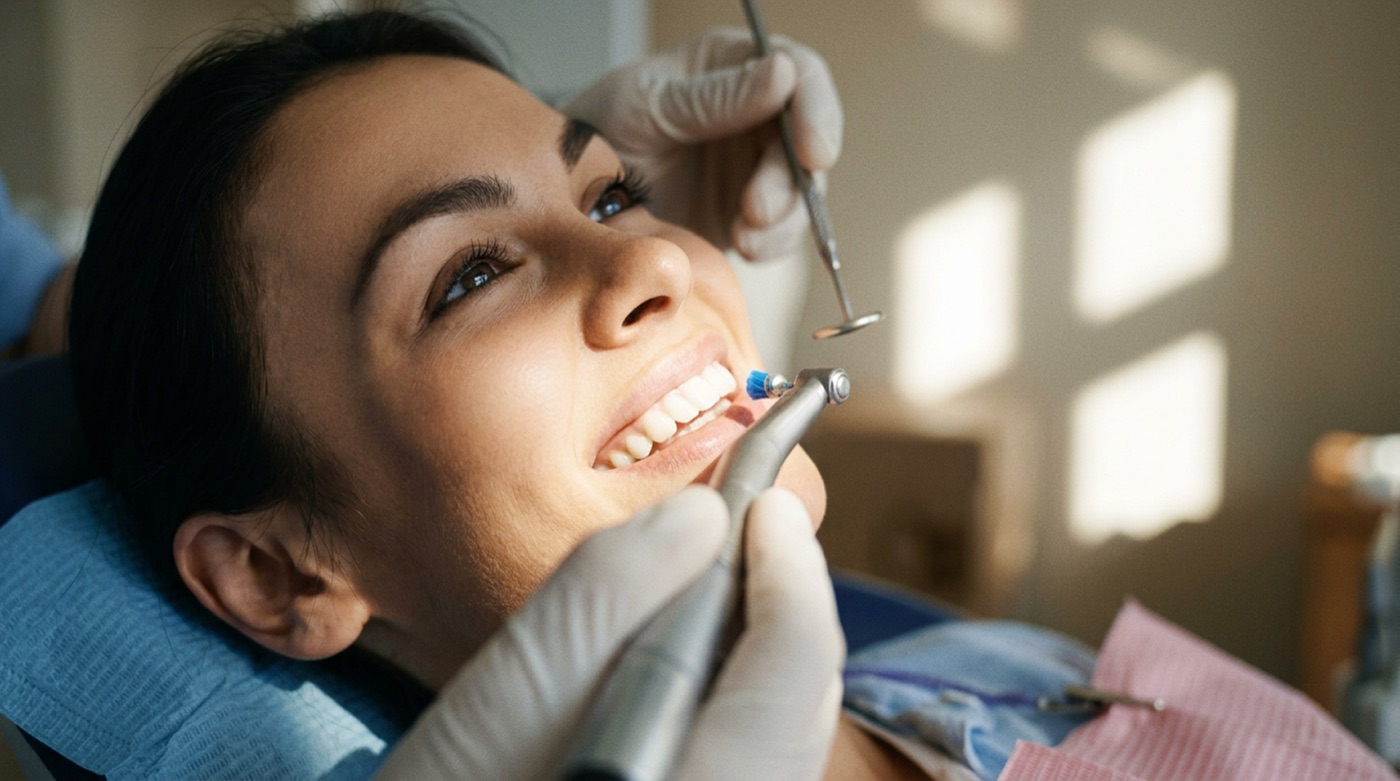
Your Implant Maintenance Visit Looks at More Than Just the Implant.
Gums
We look for bleeding, swelling, tenderness, pocket changes and other signs of inflammation around the implant.
Bone
X-rays or other imaging may be recommended when needed to monitor the bone supporting the implant.
Bite
We check how the implant crown, bridge or full-arch restoration contacts the opposing teeth.
Restoration
We inspect screws, attachments, crowns, bridges and prosthetic components for wear, looseness or damage.
Different Implant Restorations Need Different Care.
Single Implant Crown
Clean around the crown and implant daily, with special attention to the gumline and contact areas.
Implant Bridge
Clean beneath the bridge as well as around the supporting implants using floss threaders, interdental brushes or other recommended tools.
Snap-On Denture
Remove and clean the denture as directed, clean around the implants or attachments, and have the attachment components checked periodically.
Fixed Full-Arch Bridge
Clean beneath the bridge every day with the home-care tools recommended for your restoration and maintain regular professional visits.
Daily Cleaning Is Part of Implant Maintenance.
The exact tools depend on your restoration. Your dental team can show you how to clean around your implants and underneath bridges or full-arch restorations safely and effectively.
- Soft or electric toothbrush
- Implant-friendly floss
- Interdental brushes
- Water flosser when recommended
- Cleaning beneath bridges
- Avoid using teeth as tools

Don’t Ignore Changes Around an Implant.
Contact the office if something feels different, even if the implant itself does not hurt.
Bleeding or Swelling
Persistent bleeding, redness, swelling or tenderness around an implant should be evaluated.
Loose Crown or Bridge
If an implant crown, bridge or full-arch restoration feels loose, moves or clicks, schedule an evaluation.
Change in Your Bite
A change in how your teeth come together, new discomfort or difficulty chewing can signal that the restoration should be checked.
Food Trapping
New food trapping around or beneath an implant restoration may indicate a change in the gum tissue, contacts or prosthesis.
Broken or Worn Teeth
Chipped acrylic, worn teeth, damaged zirconia or other restorative changes should be evaluated before they progress.
Bad Taste or Drainage
Persistent bad taste, drainage or other signs of infection should be assessed promptly.
Fixed Implant Teeth Still Need Professional Cleaning.
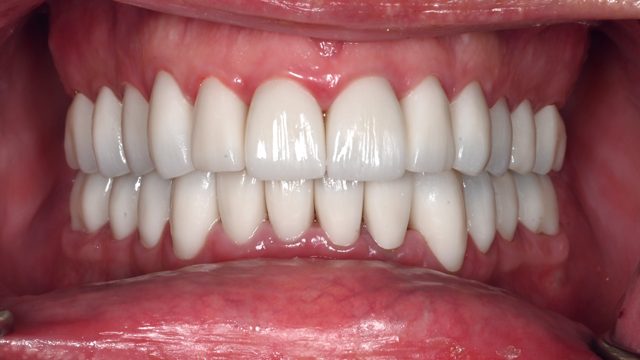
Full-arch implant bridges require regular maintenance of the tissues and implants beneath the restoration. We evaluate access for cleaning, inspect the prosthesis, monitor the gums and supporting bone, and review your home-care technique.
- Clean beneath the bridge
- Check implant access areas
- Inspect screws and prosthetic components
- Evaluate bite and wear
- Monitor gum tissue
- Review home-care tools
Your Maintenance Schedule Should Be Personalized.
The right recall interval depends on gum health, home care, smoking history, medical conditions, previous periodontal disease, implant type and the restoration you have. Some patients benefit from more frequent maintenance than a routine six-month schedule.
We Can Evaluate Implants Placed Somewhere Else.
If you have an implant crown, bridge, snap-on denture or full-arch restoration from another office, our team can evaluate the surrounding tissues and prosthetic components and discuss what may need maintenance, repair or replacement.

Implant Maintenance FAQs
The implant itself cannot decay like a natural tooth, but plaque and inflammation can still affect the gum and bone around the implant.
In many cases, yes. We can evaluate the implant, surrounding tissues and restoration and discuss appropriate maintenance or restorative options.
Yes. Professional maintenance helps clean areas that can be difficult to reach at home and allows the dental team to monitor the gums, supporting bone, bite and restoration.
Common tools include water flossers, interdental brushes and floss designed to pass beneath implant bridges. Your team can demonstrate the technique that best fits your restoration.
The interval depends on the individual. Your dentist or hygienist may recommend a schedule based on your implant type, gum health, home care and risk factors.
Schedule an evaluation. A loose restoration, screw or other component should be checked rather than ignored.
No matching questions. Try a different word, or ask us directly.