

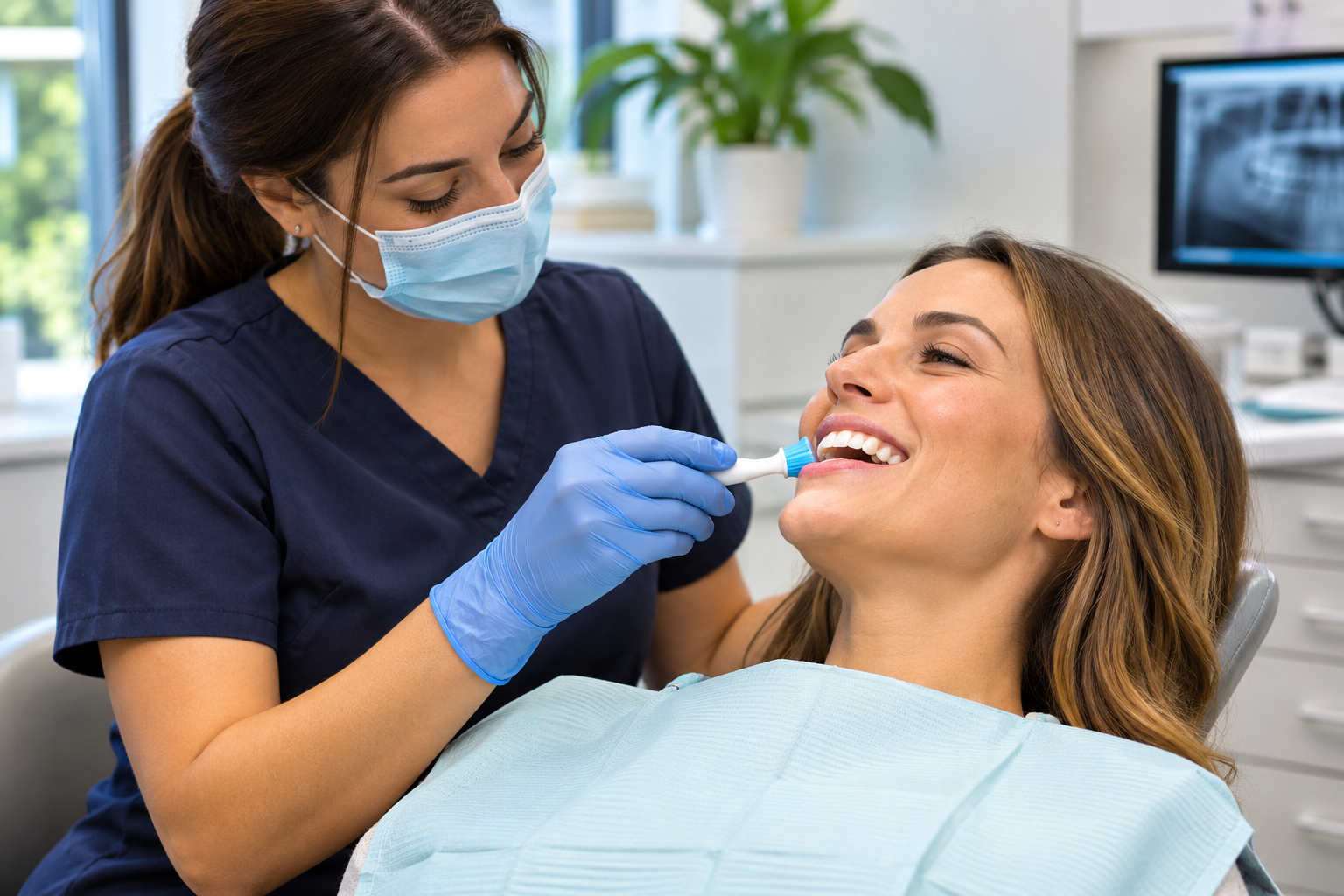
Understanding regular cleaning vs deep cleaning can help you make informed decisions about your oral health. Although both procedures remove plaque and tartar, they serve different purposes. A regular dental cleaning helps maintain healthy teeth and gums, while a deep cleaning treats certain forms of periodontal disease.
But how do you know which cleaning you need? The answer depends on the condition of your gums, the presence of periodontal pockets, and findings from your dental examination.
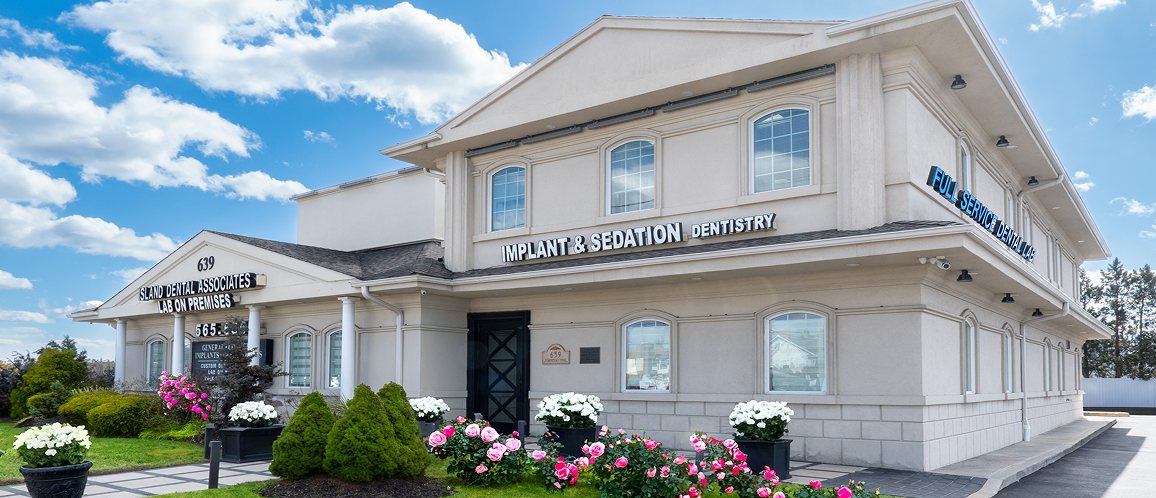
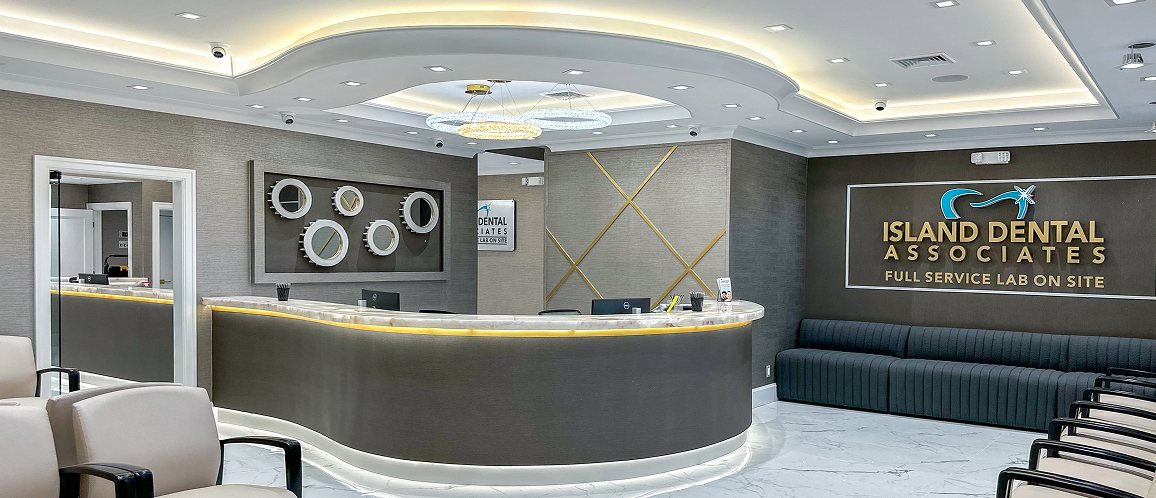
At Island Dental Associates, our dental team provides preventive and periodontal care for patients in Franklin Square, Levittown, and surrounding Long Island communities.
In This Article
- What is a regular dental cleaning?
- What is a deep dental cleaning?
- Regular cleaning vs deep cleaning: key differences
- Signs you may need periodontal treatment
- Comfort and recovery
- Cost and dental insurance
- Care after a deep cleaning
- Frequently asked questions
What Is a Regular Dental Cleaning?
A regular dental cleaning, also called a prophylaxis, is a preventive procedure generally performed for patients without active periodontal disease requiring treatment.
During a routine cleaning, a dental hygienist removes plaque and hardened tartar from accessible tooth surfaces and around the gumline. The teeth are typically polished, and your dental team may recommend additional preventive treatments based on your needs.
Benefits of Routine Dental Cleanings
- Remove plaque and tartar that brushing alone cannot eliminate.
- Help prevent cavities and gingivitis.
- Support fresher breath and better oral hygiene.
- Provide an opportunity to monitor changes in gum health.
- Help maintain healthy teeth between dental examinations.
Many patients benefit from a cleaning approximately every six months. However, your dentist may recommend a different schedule depending on your oral health, medical history, and individual risk factors.
Learn more about our dental hygienists and preventive cleaning services.
What Is a Deep Dental Cleaning?
A deep dental cleaning is clinically known as scaling and root planing (SRP). This nonsurgical periodontal treatment removes bacterial deposits and tartar from tooth and root surfaces below the gumline.
Scaling and root planing is commonly recommended when an examination identifies periodontitis that requires nonsurgical treatment. It is different from a regular preventive cleaning because it addresses deposits within periodontal pockets and along the roots of the teeth.
What Happens During Scaling and Root Planing?
- Periodontal examination: Your dental team measures gum pocket depths, evaluates inflammation, and may review dental X-rays for signs of bone loss.
- Comfort measures: Local anesthesia may be used to help keep you comfortable.
- Scaling: Plaque and tartar are removed from tooth surfaces above and below the gumline.
- Root planing: Root surfaces are thoroughly cleaned to remove remaining deposits and help the gums heal.
- Follow-up: Your dentist evaluates the response to treatment and recommends any additional care or maintenance.
Treatment may take one or more visits depending on the number of areas involved and the severity of the condition.
Our practice provides periodontal treatment and gum disease care, including nonsurgical treatment options and ongoing periodontal maintenance.
Regular Cleaning vs Deep Cleaning: 6 Key Differences
The following comparison explains how the two procedures differ in their purpose, treatment areas, and follow-up requirements.
| Feature | Regular Cleaning | Deep Cleaning |
|---|---|---|
| Purpose | Preventive care | Periodontal disease treatment |
| Areas cleaned | Accessible tooth surfaces and gumline | Tooth and root surfaces below the gumline |
| Typical patient | No active periodontal disease requiring SRP | Periodontitis requiring nonsurgical treatment |
| Anesthesia | Usually unnecessary | Often used for comfort |
| Appointments | Usually one visit | One or more visits |
| Follow-up | Routine preventive care | Periodontal reassessment and possible maintenance |
The most important difference: A regular cleaning helps maintain oral health, while scaling and root planing is a treatment for periodontal disease when clinically indicated.
Signs You May Need a Deep Cleaning
Bleeding gums do not automatically mean you need a deep cleaning. Gingivitis, irritation, and other factors can cause bleeding. Your dentist must evaluate your gum health to determine the underlying cause.
Signs that warrant a dental evaluation include:
- Gums that bleed repeatedly during brushing or flossing.
- Persistent gum redness, swelling, or tenderness.
- Bad breath that does not improve with regular oral hygiene.
- Receding gums or teeth that appear longer.
- Loose teeth or changes in your bite.
- Deep periodontal pockets identified during an examination.
Your dentist may use periodontal measurements, examination findings, and X-rays to determine whether scaling and root planing is appropriate.
Does a Deep Dental Cleaning Hurt?
Dental anxiety is common, particularly when patients are unfamiliar with a recommended procedure. Fortunately, scaling and root planing can often be performed with local anesthesia to help minimize discomfort.
Some temporary tenderness, mild bleeding, or tooth sensitivity may occur afterward. These symptoms often improve as the gums heal.
Tell your dental team if you feel anxious or have sensitive teeth. They can explain the procedure, discuss comfort options, and provide personalized aftercare instructions.
Regular Cleaning vs Deep Cleaning: Cost and Insurance
A deep cleaning generally costs more than a regular preventive cleaning because it involves periodontal treatment and may require multiple appointments.
Your total cost can depend on the number of areas treated, the complexity of care, and your dental insurance benefits. Some plans cover preventive cleanings differently from scaling and root planing.
Before treatment, ask for an explanation of the recommended procedure, estimated charges, and available insurance benefits. Our team can help you review your options.
What Happens After a Deep Cleaning?
Scaling and root planing is often the beginning of ongoing periodontal management. After the gums have had time to heal, your dentist will reassess pocket depths, inflammation, and the response to treatment.
Some patients need periodontal maintenance visits more frequently than standard preventive cleanings. Others may require additional periodontal treatment if deeper pockets or active disease remain.
At home, brush twice daily with a soft-bristled toothbrush, clean between your teeth every day, and follow your dental team’s recommendations.
For additional patient education, read the American Dental Association’s guide to scaling and root planing.
Frequently Asked Questions
Can I get a regular cleaning instead of a deep cleaning?
If you have periodontitis requiring scaling and root planing, a regular preventive cleaning does not provide the same treatment below the gumline. Your dentist should explain the diagnosis and why periodontal treatment is recommended.
Is a deep cleaning necessary if my gums bleed?
Not necessarily. Bleeding gums can have several causes, including gingivitis. A dental examination is needed to determine whether deep cleaning or another approach is appropriate.
How often do you need a deep cleaning?
Scaling and root planing is performed when clinically indicated, rather than on a routine schedule. After treatment, your dentist may recommend periodontal maintenance at intervals based on your condition.
Can a deep cleaning reverse gum disease?
Scaling and root planing can help control periodontitis and reduce inflammation. However, it does not reliably restore bone or supporting tissues already lost to periodontal disease. Ongoing care remains important.
How long does a deep cleaning take?
The length of treatment depends on the number of teeth and areas involved, the amount of tartar present, and the severity of the periodontal condition. Your dental team can explain the expected appointment schedule.
Dental Cleanings in Franklin Square and Levittown, NY
Whether you are due for a regular cleaning or concerned about bleeding gums, Island Dental Associates provides dental examinations, preventive care, and periodontal treatment options for Long Island patients.
Our two locations are:
- Franklin Square: 639 Hempstead Turnpike, Franklin Square, NY 11010.
- Levittown: 3072 Hempstead Turnpike, Levittown, NY 11756.
If you have noticed changes in your gum health, schedule an evaluation. Our dental team can explain your findings and recommend the type of care appropriate for your needs.