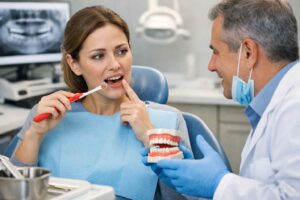



If your denture suddenly feels loose when eating or speaking, you are not alone. Many denture wearers experience changes in fit over time. Understanding why dentures become unstable can help you recognize when it may be time for an adjustment, repair, or relining.
Natural Changes in the Jawbone
One of the most common reasons dentures become loose is natural bone changes that occur after teeth are lost. The jawbone gradually shrinks when it is no longer stimulated by natural tooth roots. As the shape of the jaw changes, dentures may no longer fit as securely as they once did.
Normal Wear of Denture Materials
Dentures are designed to be durable, but like any dental appliance they can wear down over time. Years of chewing, cleaning, and daily use can affect how the denture sits against the gums. Small changes can gradually lead to movement or slipping.
Changes in Bite Alignment
Even small changes in your bite can affect denture stability. If the upper and lower dentures no longer meet evenly, pressure may shift to certain areas and cause the denture to move during eating or speaking.
Weight Loss or Health Changes
Significant weight loss, medication changes, or certain medical conditions can alter the shape of the gums and soft tissues in the mouth. These changes can affect how dentures fit and feel.
Signs Your Denture May Need Adjustment
- Dentures slipping when talking or eating
- Frequent sore spots on the gums
- Difficulty chewing foods you previously ate comfortably
- Dentures clicking or shifting during speech
When a Denture Reline May Help
A denture reline reshapes the inner surface of the denture so it fits more closely to the gums. This can improve comfort and stability without requiring a completely new denture.
When a New Denture May Be Recommended
In some cases, dentures that have been worn for many years may need to be replaced. A new denture can restore proper fit, improve chewing ability, and provide better overall comfort.
Modern Options for Improved Stability
For some patients, implant-supported dentures may provide greater stability than traditional removable dentures. These restorations are supported by dental implants placed in the jaw, helping reduce movement while eating or speaking.
Serving Franklin Square and Levittown
Island Dental Associates provides denture evaluations and adjustments for patients in Franklin Square, Levittown, West Hempstead, East Meadow, Baldwin, and surrounding South Shore Long Island communities.
Frequently Asked Questions About Loose Dentures
Why do my dentures feel loose even though they used to fit well?
Dentures often feel loose over time because the jawbone and gum tissue naturally change after teeth are lost. As the shape of the mouth changes, the denture may no longer fit as securely as it once did. Normal wear and bite changes can also contribute to denture movement.
Can loose dentures be adjusted, or do they always need to be replaced?
Loose dentures do not always need to be replaced. In many cases, a denture adjustment or reline can improve the fit and make the denture more comfortable. A dental evaluation can help determine whether a repair, reline, or full replacement is the best option.
What are the signs that I may need a denture reline?
Common signs include slipping while eating or speaking, sore spots on the gums, food getting trapped under the denture, and changes in how the denture feels throughout the day. A reline may help the denture fit more closely to the gums and improve stability.
Can loose dentures affect how I eat and speak?
Yes. Loose dentures can make chewing less comfortable and may cause clicking or shifting during speech. Over time, an unstable denture can also irritate the gums and affect confidence in social situations. Addressing fit issues early can help restore comfort and function.
Are implant-supported dentures more stable than traditional dentures?
For many patients, implant-supported dentures offer greater stability than traditional removable dentures. Because they are supported by dental implants, they are less likely to shift during eating or speaking. A dentist can help determine whether implant-supported options may be appropriate for your needs.
Schedule a Denture Evaluation
If your denture has started to feel loose or uncomfortable, an evaluation can help determine whether a simple adjustment, relining, or replacement may improve your comfort.
Franklin Square:
516-565-6565
639 Hempstead Turnpike, Franklin Square, NY 11010
Levittown:
516-865-6565
307 Hempstead Turnpike, Levittown, NY 11756
Request an appointment online:
Schedule Your Visit
Always consult with your Dentist: You should always seek the advice of your dentist to make sure which options are best for you. Dental conditions vary widely among individuals. Not all dental problems are visible or easily detectable. Professional cleanings are essential, regardless of how diligent your oral hygiene routine is. Regular dental check-ups help detect potential issues early. Dentists are trained to provide expert advice on oral hygiene and other factors that impact your dental health. Online information may need more depth and accuracy to address your specific needs.