



We specialize in saving teeth and restoring smiles
Wait no more for exceptional endodontic treatment. Come to Island Dental for a free evaluation.
Specialized Care For Tooth Pain
Endodontists diagnose and treat complex cases of tooth pain, including abscesses, to provide relief.
Preservation Of Natural Teeth
Endodontists perform root canal treatments and other procedures to save natural teeth whenever possible.
Expert Diagnosis Of Oral Pain
Endodontists specialize in identifying the causes of difficult-to-diagnose oral and facial pain, often saving diseased teeth through treatment.
Advanced Imaging Technology
Digital radiographs and 3-D imaging are utilized to capture detailed images of root canals and infections, aiding in precise treatment planning.
Focusing On Dental Pulp Treatments
Endodontists possess advanced expertise in treating dental pulp and use specialized techniques to ensure patient comfort during procedures.
Experts In Pain Management
Endodontists excel in pain management, providing comprehensive care for patients experiencing significant tooth pain.
Root Canal Therapy
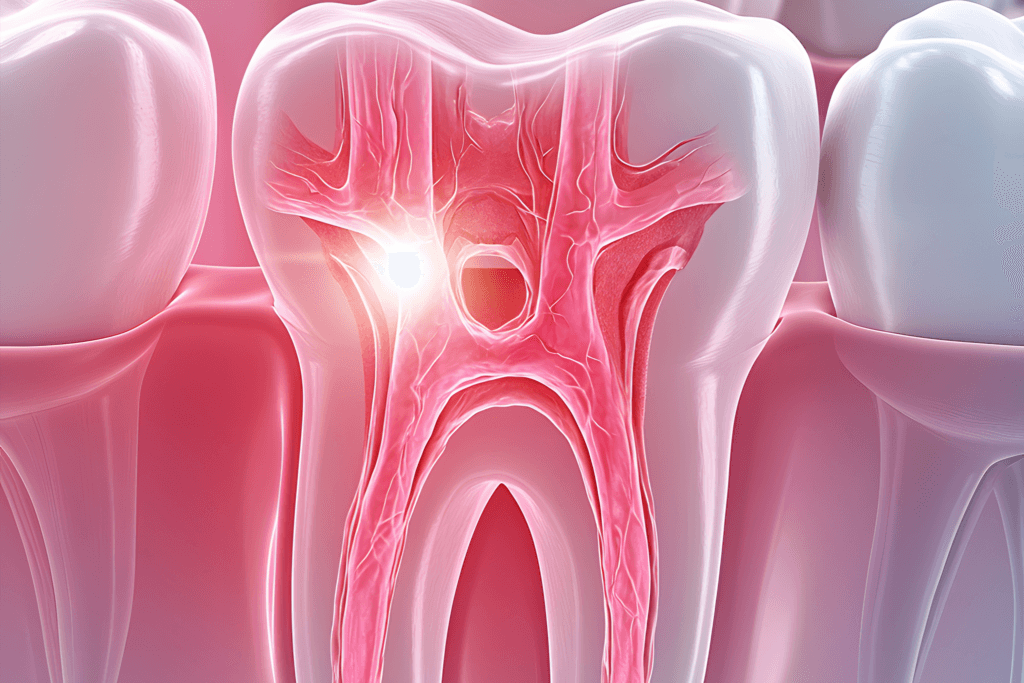
A root canal is one of the most common endodontic procedures when a tooth is too decayed or dying. We use root canal treatment to stop the infection and prevent its spread to other teeth. During the root canal, we remove the nerve tissue and fill the pulp cavity.
This procedure prevents people from losing teeth due to infections and abscesses. Root canal therapy relieves tooth pain, stops infections, and promotes healing. It is a simple and painless same-day treatment.
Pain Management
A root canal is one of the most common endodontic procedures when a tooth is too decayed or dying. We use root canal treatment to stop the infection and prevent its spread to other teeth. During the root canal, we remove the nerve tissue and fill the pulp cavity.
This procedure prevents people from losing teeth due to infections and abscesses. Root canal therapy relieves tooth pain, stops infections, and promotes healing. It is a simple and painless same-day treatment.
Dental Symptoms
Tooth Pain
Cracked Teeth
Abscessed Teeth
Traumatic Dental Injuries
Knocked-Out Teeth
Meet Our Endodontist
Endodontic Treatment Options
Saving The Natural Tooth
Root Canal
Pain-Free Experience
Multiple Sedation Options
Quick and Cost-Effective:
Aesthetically Pleasing Outcomes
Other Endodontic Treatments
Endodontic Retreatment
Pulp Capping
Apicoectomy
Endodontic Surgery
Island Dental
oogle Reviews
Thousands of 5-star reviews speak for themselves—our patients love their results, and you will too!
0%
Easy Financing*
No Money Down
95% Approval Rate
Flexible Payment Plans
*Some restrictions apply. 0% Subject to credit approval.
Most Insurance Accepted
in-network providers with over 50 insurance carriers
Island Dental Advantage Plans
Giving families without insurance affordable dental care
Free Consultation
For new patients without insurance
No Insurance?
No Worries.
Island Dental Advantage Plans
Giving families without insurance affordable dental care
Ready To Get Started?
We Take Care Of Your Smile,
So You Can Take Care Of The World!
The No-Insurance Way To Save. Healthy Smiles For The Whole Family!
$395
/Year
Get The Whole Family A Discount
Take advantage of even greater discounts when signing up multiple members!
$335
/Person
for families
with 1 - 2 children
$325
/Person
for families with
3 or more children
Education Corner
Check out the blog
Why Your Denture Feels Loose (And What Causes It)
If your denture suddenly feels loose when eating or speaking, you are not alone. Many denture wearers experience changes in fit over time. Understanding why dentures become unstable can help you recognize when it may be time for an adjustment, repair, or relining. Natural Changes in the Jawbone One of the most common reasons dentures […]
Tooth Infection Warning Signs: When to See a Dentist Immediately
A tooth infection can begin with mild discomfort and quickly develop into a serious oral health issue. Recognizing tooth infection warning signs early can help prevent complications and protect your overall health. At Island Dental Associates, serving Franklin Square and Levittown, NY, we regularly help patients identify and treat infections before they become emergencies. What […]
Winter Dental Emergencies: Quick Help on Long Island
Winter dental emergencies can happen at the worst time—during holiday travel, weekend gatherings, or right before an important event. Cold-weather tooth pain, cracked teeth from hard seasonal foods, and broken dentures are common reasons people look for urgent help. This guide explains what to do first, what to avoid, and when it’s time to see […]
FAQs - Endodontics
Endodontics is a specialized branch of dentistry that focuses on diagnosing and treating issues related to the dental pulp, the soft tissue inside the tooth. This includes root canal therapy, which can save infected or severely damaged teeth.
A root canal is a common endodontic procedure that removes infected or damaged pulp from the inside of a tooth. You may need a root canal if you experience persistent tooth pain, sensitivity to heat or cold, swelling, or notice a darkening of the tooth, indicating an infection or injury.
Contrary to popular belief, modern root canals are relatively painless. With advances in technology and anesthesia, the procedure feels similar to having a cavity filled. Any discomfort experienced after the treatment can usually be managed with over-the-counter pain relievers.
A typical root canal procedure takes one to two hours, depending on the complexity of the case. Most treatments can be completed in one visit, although some may require additional appointments if complications arise.
If an infected or damaged tooth isn’t treated with a root canal, the infection can spread to surrounding tissues, causing abscesses and other serious health issues. In extreme cases, untreated infections can lead to tooth loss.
Most patients experience mild discomfort or sensitivity for a few days after a root canal. It’s important to avoid chewing on the treated tooth until it’s fully restored with a crown or filling. Good oral hygiene and regular dental checkups will help maintain the tooth’s health after the procedure.
After a root canal, the tooth will be restored with a filling or crown, so it will look and function like your other natural teeth. You may notice slight sensitivity at first, but it should subside as the tooth heals.
While many teeth can be saved through root canal therapy, there are cases where extraction may be the better option. If a tooth is too damaged or the infection too severe, your dentist may recommend removing the tooth and exploring options like dental implants or bridges.
The best way to prevent the need for a root canal is through regular dental care. Brush and floss daily, attend routine check-ups, and avoid biting hard objects that can crack or damage your teeth. Early treatment of cavities or minor issues can also prevent more serious infections.
An endodontist is a dentist who has completed additional years of specialized training in diagnosing and treating issues related to the tooth’s pulp. While general dentists can perform root canals, endodontists often handle more complex cases or retreatments when a previous root canal needs additional work.